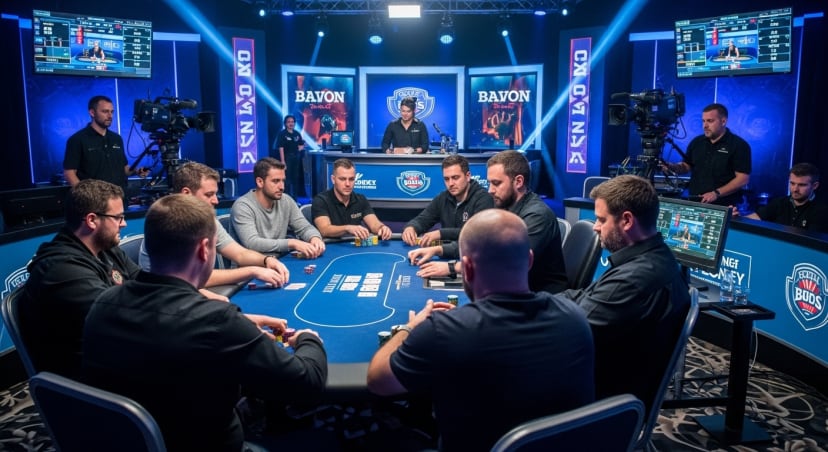


Answering Questions About a Good Live Dealer Poker Strategy


Live dealer poker brings its own flavour to the game, different from the usual online poker. In regular online games, it’s often just you, the algorithm, and your screen. But with live dealer games, you’ve got real people dealing and interacting in real time. This adds a whole new level of strategy that players in Kenya need to grasp. In this article, we’ll break down the unique strategies for live dealer poker, showing how they differ from standard online play. We’ll answer your key questions to help you level up your game for the exciting world of live dealer poker right here in Kenya.
Getting Ready for Live Dealer Poker in Kenya
To get the most out of a live dealer poker game on Kenyan online casino sites, you need to get familiar with the setup. First off, spend some time exploring the platform you’ll be playing on. Make sure you know your way around the interface so you don’t miss a beat during play. Also, get used to the rhythm of live play; it’s usually different from the super-fast pace of regular online poker.
Pay close attention to the dealer’s actions, like shuffling and dealing. Also, watch how other players react and interact; these observations can give you a real edge. Make sure your internet connection is solid and you’re in a quiet spot where you can focus. This preparation will not only sharpen your gameplay but also make playing poker at a live online casino a much better experience for you in Kenya.
Smart Bet Sizing for Kenyan Live Dealer Poker
Knowing how much to bet is a key skill in live dealer poker, especially when playing online in Kenya. It’s all about adjusting your bet sizes based on the game and who you’re playing against. In a live setting, you can see people’s reactions, so you need to tailor your bets not just to your hand’s strength, but also to what you reckon your opponents have. For example, against timid players, a big bet might scare them off. But smaller, value bets could keep them in the game. Against aggressive players, though, a larger bet could be your chance to exploit their tendency to call or raise too much. Remember that betting before the flop is different from betting after. Always gauge the table’s vibe and how players are behaving to guide your bets. This flexbility makes it a crucial strategy for any Kenyan poker player.
Bluffing Like a Pro in Live Dealer Games
Bluffing in live dealer poker out East here in Kenya requires a bit more finesse than in standard online play because everyone can see what’s happening. Effective bluffing in this setting means you need to:
- Read Body Language: Use the visual aspect to your advantage. Watch how your opponents react to bets and plays. Spot any signs of nerves or uncertainty that you can exploit.
- Control Your Own Tells: Keep your composure steady, whether you have a monster hand or you’re bluffing. Don’t give away any clues too easily.
- Bluff Selectively: Don’t overdo it. Bluffing too much makes you predictable, but not bluffing enough means you’ll miss chances to win pots when your opponents are weak.
- Time Your Bluffs Right: Go for the bluff when opponents look unsure or when the board cards suggest a hand you could plausibly have.
- Size Your Bets Wisely: Make your bet size believable for your bluff. A bet that’s too small might not scare anyone off, while one that’s too big could raise suspicions.
Handling Pressure in High-Stakes Poker Games
To navigate the high-pressure environment effectively:
- Stay Emotionally Balanced: Maintain a calm demeanor, regardless of the game’s ups and downs. Practice techniques like deep breathing or taking brief breaks to manage stress and keep a clear head.
- Set Defined Limits: Before entering a high-stakes game, set clear limits for yourself in terms of maximum loss and stick to them. This prevents the pressure from escalating beyond your comfort zone.
- Focus on Decision-Making, Not Outcomes: Concentrate on making the best decisions with the information at hand rather than fixating on the potential outcomes. This approach reduces the emotional weight of each hand.
- Learn from Each Hand: View high-pressure situations as learning opportunities. Analyze your play post-game to understand what worked and what didn’t.
- Avoid Tilt: Recognize when emotions start influencing your decisions ("going on tilt") and take a step back. Tilt can cloud judgment and lead to costly mistakes.
Utilizing Advanced Poker Strategies
Mastering these techniques not only elevates your skill set but also gives you an edge over less experienced players. Key advanced strategies include:
🔄 Check-Raising:
- Utilize check-raising to disguise the strength of your hand, especially when out of position.
- It is effective in situations where you predict opponents will bet, but your hand is strong enough to warrant a raise.
🌊 Floating the Flop:
- Employ this tactic against aggressive players who frequently continue to bet.
- Call a bet on the flop with the intention of taking away the pot on later streets, particularly if the opponent shows weakness.
🥁 Multi-Barreling:
- Extend the pressure across multiple betting rounds to convince opponents you have a strong hand.
- It is useful in scenarios where board textures change in ways that can realistically improve your perceived range.
- Ensure that opponents' tendencies and fold frequencies are assessed to gauge the effectiveness of this strategy.
🃏 Semi-Bluffing:
- Bluff with hands that have the potential to improve, like drawing hands.
- This approach balances the risk of bluffing with the safety net of potentially hitting a strong hand.
Adapting to Different Types of Players
Adapting your strategy to different types of players is crucial in live dealer poker games at online casinos. Recognizing and adjusting to various opponent profiles can significantly impact your success:
🐯 Against Aggressive Players:
- Tighten up your play. Be selective with your starting hands and wait for strong holdings.
- Use their aggression against them; let them drive the action when you have a strong hand.
🐢 Facing Passive Players:
- Exploit their reluctance to bet or raise by taking control. Increase your aggression to steal more pots.
- Be cautious when they show strength, as passive players often indicate strong hands with rare bets.
🦊 Dealing with Tight Players:
- Expand your range. You can often bluff more effectively against tight players, as they are more likely to fold.
- Be ready to back down if they show resistance, as they tend to play only strong hands.
🦜 Playing Against Loose Players:
- Value bet more often. Loose players are likely to call with weaker hands, so maximize your winnings with strong hands.
- Avoid bluffing excessively, as they are prone to call bets with a wide range of hands.
Leveraging Technology in Live Dealer Poker
Technology plays a pivotal role in enhancing player strategy. One of the most significant technological aids is the Heads-Up Display (HUD), which provides real-time statistics and data on opponents, helping players make informed decisions based on playing patterns and tendencies.
Additionally, note-taking during games is crucial; many platforms offer digital note-taking features, allowing players to record observations about their opponents' strategies and behaviors. This becomes an invaluable reference in future live casino game sessions.
Another helpful tool is hand history trackers that enable players to review and analyze played hands, offering insights into both their own and their opponents' gameplay. Equally important are software tools for odds calculation, which assist in making mathematically sound decisions. By effectively leveraging these technological tools, players can gain a competitive edge, adapting their strategies more precisely to the nuances of each game and opponent.
Learning from Mistakes
A critical practice in this learning process is the review of poker hand histories. Many online platforms offer the ability to revisit previous hands, providing an opportunity to analyze and reflect on one’s decisions. This retrospection enables players to identify strategic errors or missed opportunities, fostering a deeper understanding of their playstyle and tendencies.
Additionally, discussing hands with peers or seeking feedback from more experienced players can offer new perspectives and insights. It's also vital to view mistakes not as failures but as valuable lessons. Embracing a mindset of continuous improvement, where each hand offers a chance to learn something new, can significantly enhance a player's approach to the game. By consistently reviewing and learning from gameplay experiences, players can refine their strategies, avoid repeating past errors, and make more informed decisions in future sessions.
Conclusion
From preparing for the unique dynamics of live play and adapting to different player types to leveraging technology and learning from mistakes, each aspect contributes to a more rounded and effective strategy. Embracing advanced tactics like check-raising and bluffing while managing the pressures of high-stakes games further refines your skills. Remember, continuous learning and adaptation are key in the ever-evolving landscape of online live poker.
For a deeper understanding and to enhance your gameplay, we encourage you to explore more articles on LiveCasinoRank, where you can familiarize yourself with various online live poker variations and strategies. Your journey to becoming a proficient live dealer poker player starts here.
FAQ
How should I prepare for a live dealer poker game in Kenya?
Preparation involves getting comfortable with the live dealer platform, understanding the game's pace, carefully observing both the dealers and other players, and ensuring you have a reliable internet connection for smooth gameplay. A stable connection is key for Kenyan players.
What are some good bet sizing strategies for live dealer poker?
Good strategies include varying your bet sizes based on how the game is going and what your opponents are doing. Be more aggressive against players who tend to be passive, and play more cautiously against those who are aggressive.
How is bluffing different in live dealer poker compared to regular online poker?
In live dealer poker, bluffing means paying attention to physical cues and how players behave. It requires more psychological insight than bluffing in traditional online poker, where you only see screen names and betting patterns.
What are some strategies for handling pressure in high-stakes live dealer games in Kenya?
To manage pressure, stay calm, set clear limits on how much you're willing to lose, focus on making good decisions rather than just winning, learn from each hand, and avoid letting emotions cloud your judgment. Remember responsible gambling is key.
How can Kenyan players use technology to improve their live dealer poker strategy?
Players can use Heads-Up Displays (HUDs) to see real-time stats, take digital notes to track opponents' strategies, use hand history trackers to review past hands, and use odds calculators to make better decisions.
How should I change my strategy when playing against different types of players?
Adjust your strategy by playing tighter against aggressive players, being more aggressive against passive players, playing a wider range of hands against tight players, and betting more often against loose players.
How can players in Kenya learn from their mistakes in live dealer poker?
Players can learn by reviewing their hand histories, discussing hands with other players or mentors to get feedback, and viewing mistakes as chances to improve their decisions in future games. Remember to always gamble responsibly.